new

Get trending papers in your email inbox!

Subscribe

Daily Papers

byAK and the research community

Apr 22

SkyEyeGPT: Unifying Remote Sensing Vision-Language Tasks via Instruction Tuning with Large Language Model

Large language models (LLMs) have recently been extended to the vision-language realm, obtaining impressive general multi-modal capabilities. However, the exploration of multi-modal large language models (MLLMs) for remote sensing (RS) data is still in its infancy, and the performance is not satisfactory. In this work, we introduce SkyEyeGPT, a unified multi-modal large language model specifically designed for RS vision-language understanding. To this end, we meticulously curate an RS multi-modal instruction tuning dataset, including single-task and multi-task conversation instructions. After manual verification, we obtain a high-quality RS instruction-following dataset with 968k samples. Our research demonstrates that with a simple yet effective design, SkyEyeGPT works surprisingly well on considerably different tasks without the need for extra encoding modules. Specifically, after projecting RS visual features to the language domain via an alignment layer, they are fed jointly with task-specific instructions into an LLM-based RS decoder to predict answers for RS open-ended tasks. In addition, we design a two-stage tuning method to enhance instruction-following and multi-turn dialogue ability at different granularities. Experiments on 8 datasets for RS vision-language tasks demonstrate SkyEyeGPT's superiority in image-level and region-level tasks, such as captioning and visual grounding. In particular, SkyEyeGPT exhibits encouraging results compared to GPT-4V in some qualitative tests. The online demo, code, and dataset will be released in https://github.com/ZhanYang-nwpu/SkyEyeGPT.

  • 3 authors
·
Jan 17, 2024

Re$^3$Dial: Retrieve, Reorganize and Rescale Dialogue Corpus for Long-Turn Open-Domain Dialogue Pre-training

Large-scale open-domain dialogue data crawled from public social media has greatly improved the performance of dialogue models. However, long-turn dialogues are still highly scarce. Specifically, most dialogue sessions in existing corpora have less than three turns. To alleviate this issue, we propose the Retrieve, Reorganize and Rescale framework (Re^3Dial), which can automatically construct a billion-scale long-turn dialogue corpus from existing short-turn dialogue data. Re^3Dial first trains an Unsupervised Dense Session Retriever (UDSR) to capture semantic and discourse relationships within multi-turn dialogues for retrieving relevant and coherent sessions. It then reorganizes the short-turn dialogues into long-turn sessions via recursively retrieving and selecting the consecutive sessions with our proposed diversity sampling strategy. Extensive evaluations on multiple multi-turn dialogue benchmarks demonstrate that Re^3Dial consistently and significantly improves the dialogue model's ability to utilize long-term context for modeling multi-turn dialogues across different pre-training settings. Finally, we build a toolkit for efficiently rescaling dialogue corpus with Re^3Dial, which enables us to construct a corpus containing 1B Chinese dialogue sessions with 11.3 turns on average (5X longer than the original EVA corpus). We will release our UDSR model, toolkit, and data for public use.

  • 3 authors
·
May 4, 2023

ToolDial: Multi-turn Dialogue Generation Method for Tool-Augmented Language Models

Tool-Augmented Language Models (TALMs) leverage external APIs to answer user queries across various domains. However, existing benchmark datasets for TALM research often feature simplistic dialogues that do not reflect real-world scenarios, such as the need for models to ask clarifying questions or proactively call additional APIs when essential information is missing. To address these limitations, we construct and release ToolDial, a dataset comprising 11,111 multi-turn dialogues, with an average of 8.95 turns per dialogue, based on APIs from RapidAPI. ToolDial has two key characteristics. First, the dialogues incorporate 16 user and system actions (e.g., "Request", "Clarify", "Fail inform") to capture the rich dynamics of real-world interactions. Second, we simulate dialogues where the system requests necessary information from the user based on API documentation and seeks additional APIs if the user fails to provide the required information. To facilitate this process, we introduce a method for generating an API graph that represents input and output compatibility between APIs. Using ToolDial, we evaluate a suite of language models on their ability to predict correct actions and extract input parameter values for API calls from the dialogue history. Modern language models achieve accuracy scores below 70%, indicating substantial room for improvement. We release our dataset and code at https://github.com/holi-lab/ToolDial.

  • 4 authors
·
Mar 1, 2025

InteractiveOmni: A Unified Omni-modal Model for Audio-Visual Multi-turn Dialogue

We introduce InteractiveOmni, a unified and open-source omni-modal large language model for audio-visual multi-turn interaction, ranging from 4B to 8B parameters, designed to lead the field of lightweight models by offering comprehensive omni-modal understanding and speech generation capabilities. To achieve this, we integrate the vision encoder, audio encoder, large language model, and speech decoder into a unified model for understanding and generation tasks. We design a multi-stage training strategy to ensure robust cross-modal capabilities, including pre-training for omni-modal understanding, followed by post-training with speech conversation and audio-visual interaction. To enable human-like long-term conversational ability, we meticulously curate a multi-turn training dataset that enhances the model's ability to handle complex and multi-turn interactions. To effectively evaluate the multi-turn memory and speech interaction capabilities, we construct the multi-modal multi-turn memory benchmark and the multi-turn speech interaction benchmark. Experiments demonstrate that InteractiveOmni significantly outperforms leading open-source models and provides a more intelligent multi-turn audio-visual experience, particularly in its long-term memory capabilities. Notably, InteractiveOmni-4B is comparable to the much larger model like Qwen2.5-Omni-7B on general benchmarks, and it can retain 97% of the performance of the InteractiveOmni-8B while utilizing only 50% of the model size. Achieving state-of-the-art results against similarly sized models across image, audio, video understanding, and speech generation tasks, InteractiveOmni is an accessible, open-source foundation for next-generation intelligent interactive systems.

  • 26 authors
·
Oct 15, 2025 2

Zhongjing: Enhancing the Chinese Medical Capabilities of Large Language Model through Expert Feedback and Real-world Multi-turn Dialogue

Recent advances in Large Language Models (LLMs) have achieved remarkable breakthroughs in understanding and responding to user intents. However, their performance lag behind general use cases in some expertise domains, such as Chinese medicine. Existing efforts to incorporate Chinese medicine into LLMs rely on Supervised Fine-Tuning (SFT) with single-turn and distilled dialogue data. These models lack the ability for doctor-like proactive inquiry and multi-turn comprehension and cannot align responses with experts' intentions. In this work, we introduce Zhongjing, the first Chinese medical LLaMA-based LLM that implements an entire training pipeline from continuous pre-training, SFT, to Reinforcement Learning from Human Feedback (RLHF). Additionally, we construct a Chinese multi-turn medical dialogue dataset of 70,000 authentic doctor-patient dialogues, CMtMedQA, which significantly enhances the model's capability for complex dialogue and proactive inquiry initiation. We also define a refined annotation rule and evaluation criteria given the unique characteristics of the biomedical domain. Extensive experimental results show that Zhongjing outperforms baselines in various capacities and matches the performance of ChatGPT in some abilities, despite the 100x parameters. Ablation studies also demonstrate the contributions of each component: pre-training enhances medical knowledge, and RLHF further improves instruction-following ability and safety. Our code, datasets, and models are available at https://github.com/SupritYoung/Zhongjing.

  • 7 authors
·
Aug 7, 2023

WebLINX: Real-World Website Navigation with Multi-Turn Dialogue

We propose the problem of conversational web navigation, where a digital agent controls a web browser and follows user instructions to solve real-world tasks in a multi-turn dialogue fashion. To support this problem, we introduce WEBLINX - a large-scale benchmark of 100K interactions across 2300 expert demonstrations of conversational web navigation. Our benchmark covers a broad range of patterns on over 150 real-world websites and can be used to train and evaluate agents in diverse scenarios. Due to the magnitude of information present, Large Language Models (LLMs) cannot process entire web pages in real-time. To solve this bottleneck, we design a retrieval-inspired model that efficiently prunes HTML pages by ranking relevant elements. We use the selected elements, along with screenshots and action history, to assess a variety of models for their ability to replicate human behavior when navigating the web. Our experiments span from small text-only to proprietary multimodal LLMs. We find that smaller finetuned decoders surpass the best zero-shot LLMs (including GPT-4V), but also larger finetuned multimodal models which were explicitly pretrained on screenshots. However, all finetuned models struggle to generalize to unseen websites. Our findings highlight the need for large multimodal models that can generalize to novel settings. Our code, data and models are available for research: https://mcgill-nlp.github.io/weblinx

  • 3 authors
·
Feb 8, 2024 4

LISA++: An Improved Baseline for Reasoning Segmentation with Large Language Model

While LISA effectively bridges the gap between segmentation and large language models to enable reasoning segmentation, it poses certain limitations: unable to distinguish different instances of the target region, and constrained by the pre-defined textual response formats. In this work, we introduce LISA++, an update to the existing LISA model, focusing on improving core functionalities while keeping the base architecture intact. The main enhancements in LISA++ include: 1) Enhanced Segmentation: The instance segmentation ability has been added, providing a more detailed scene analysis along with the existing multi-region semantic segmentation. 2) More Natural Conversation: Improved capability for multi-turn dialogue, with the ability to incorporate segmentation results directly into text responses, i.e., Segmentation in Dialogue (SiD). These improvements are achieved by curating the existing samples of generic segmentation datasets, aimed specifically at enhancing the segmentation and conversational skills without structural change and additional data sources. Comparative analysis with the original LISA model shows significant advancements in these areas, positioning LISA++ as a notable upgrade in visual understanding and interaction. LISA++'s adaptability and improved features highlight the versatility of the mask-as-embedding paradigm proposed by LISA, and the potential as a foundational model for diverse applications.

  • 7 authors
·
Dec 28, 2023 1

CareBot: A Pioneering Full-Process Open-Source Medical Language Model

Recently, both closed-source LLMs and open-source communities have made significant strides, outperforming humans in various general domains. However, their performance in specific professional domains such as medicine, especially within the open-source community, remains suboptimal due to the complexity of medical knowledge. In this paper, we propose CareBot, a bilingual medical LLM, which leverages a comprehensive approach integrating continuous pre-training (CPT), supervised fine-tuning (SFT), and reinforcement learning with human feedback (RLHF). Our novel two-stage CPT method, comprising Stable CPT and Boost CPT, effectively bridges the gap between general and domain-specific data, facilitating a smooth transition from pre-training to fine-tuning and enhancing domain knowledge progressively. We also introduce DataRater, a model designed to assess data quality during CPT, ensuring that the training data is both accurate and relevant. For SFT, we develope a large and diverse bilingual dataset, along with ConFilter, a metric to enhance multi-turn dialogue quality, which is crucial to improving the model's ability to handle more complex dialogues. The combination of high-quality data sources and innovative techniques significantly improves CareBot's performance across a range of medical applications. Our rigorous evaluations on Chinese and English benchmarks confirm CareBot's effectiveness in medical consultation and education. These advancements not only address current limitations in medical LLMs but also set a new standard for developing effective and reliable open-source models in the medical domain. We will open-source the datasets and models later, contributing valuable resources to the research community.

  • 4 authors
·
Dec 12, 2024

Discourse Diversity in Multi-Turn Empathic Dialogue

Large language models (LLMs) produce responses rated as highly empathic in single-turn settings (Ayers et al., 2023; Lee et al., 2024), yet they are also known to be formulaic generators that reuse the same lexical patterns, syntactic templates, and discourse structures across tasks (Jiang et al., 2025; Shaib et al., 2024; Namuduri et al., 2025). Less attention has been paid to whether this formulaicity extends to the level of discourse moves, i.e., what a response does for the person it is addressing. This question is especially consequential for empathic dialogue, where effective support demands not just a kind response at one moment but varied strategies as a conversation unfolds (Stiles et al., 1998). Indeed, prior work shows that LLMs reuse the same tactic sequences more than human supporters in single-turn settings (Gueorguieva et al., 2026). We extend this analysis to multi-turn conversations and find that the rigidity compounds: once a tactic appears in a supporter turn, LLMs reuse it in the next at nearly double the rate of humans (0.50-0.56 vs. 0.27). This pattern holds across LLMs serving as supporters in real emotional support conversations, and is invisible to standard similarity metrics. To address this gap, we introduce MINT (Multi-turn Inter-tactic Novelty Training), the first reinforcement learning framework to optimize discourse move diversity across multi-turn empathic dialogue. The best MINT variant combines an empathy quality reward with a cross-turn tactic novelty signal, improving aggregate empathy by 25.3% over vanilla across 1.7B and 4B models while reducing cross-turn discourse move repetition by 26.3% on the 4B model, surpassing all baselines including quality-only and token-level diversity methods on both measures. These results suggest that what current models lack is not empathy itself, but the ability to vary their discourse moves across a conversation.

  • 6 authors
·
Apr 13

DialogGen: Multi-modal Interactive Dialogue System for Multi-turn Text-to-Image Generation

Text-to-image (T2I) generation models have significantly advanced in recent years. However, effective interaction with these models is challenging for average users due to the need for specialized prompt engineering knowledge and the inability to perform multi-turn image generation, hindering a dynamic and iterative creation process. Recent attempts have tried to equip Multi-modal Large Language Models (MLLMs) with T2I models to bring the user's natural language instructions into reality. Hence, the output modality of MLLMs is extended, and the multi-turn generation quality of T2I models is enhanced thanks to the strong multi-modal comprehension ability of MLLMs. However, many of these works face challenges in identifying correct output modalities and generating coherent images accordingly as the number of output modalities increases and the conversations go deeper. Therefore, we propose DialogGen, an effective pipeline to align off-the-shelf MLLMs and T2I models to build a Multi-modal Interactive Dialogue System (MIDS) for multi-turn Text-to-Image generation. It is composed of drawing prompt alignment, careful training data curation, and error correction. Moreover, as the field of MIDS flourishes, comprehensive benchmarks are urgently needed to evaluate MIDS fairly in terms of output modality correctness and multi-modal output coherence. To address this issue, we introduce the Multi-modal Dialogue Benchmark (DialogBen), a comprehensive bilingual benchmark designed to assess the ability of MLLMs to generate accurate and coherent multi-modal content that supports image editing. It contains two evaluation metrics to measure the model's ability to switch modalities and the coherence of the output images. Our extensive experiments on DialogBen and user study demonstrate the effectiveness of DialogGen compared with other State-of-the-Art models.

  • 9 authors
·
Mar 13, 2024

Audio MultiChallenge: A Multi-Turn Evaluation of Spoken Dialogue Systems on Natural Human Interaction

End-to-end (E2E) spoken dialogue systems are increasingly replacing cascaded pipelines for voice-based human-AI interaction, processing raw audio directly without intermediate transcription. Existing benchmarks primarily evaluate these models on synthetic speech and single-turn tasks, leaving realistic multi-turn conversational ability underexplored. We introduce Audio MultiChallenge, an open-source benchmark to evaluate E2E spoken dialogue systems under natural multi-turn interaction patterns. Building on the text-based MultiChallenge framework, which evaluates Inference Memory, Instruction Retention, and Self Coherence, we introduce a new axis Voice Editing that tests robustness to mid-utterance speech repairs and backtracking. We further augment each axis to the audio modality, such as introducing Audio-Cue challenges for Inference Memory that require recalling ambient sounds and paralinguistic signals beyond semantic content. We curate 452 conversations from 47 speakers with 1,712 instance-specific rubrics through a hybrid audio-native agentic and human-in-the-loop pipeline that exposes model failures at scale while preserving natural disfluencies found in unscripted human speech. Our evaluation of proprietary and open-source models reveals that even frontier models struggle on our benchmark, with Gemini 3 Pro Preview (Thinking), our highest-performing model achieving a 54.65% pass rate. Error analysis shows that models fail most often on our new axes and that Self Coherence degrades with longer audio context. These failures reflect difficulty of tracking edits, audio cues, and long-range context in natural spoken dialogue. Audio MultiChallenge provides a reproducible testbed to quantify them and drive improvements in audio-native multi-turn interaction capability.

  • 11 authors
·
Dec 16, 2025

Ask-to-Clarify: Resolving Instruction Ambiguity through Multi-turn Dialogue

The ultimate goal of embodied agents is to create collaborators that can interact with humans, not mere executors that passively follow instructions. This requires agents to communicate, coordinate, and adapt their actions based on human feedback. Recently, advances in VLAs have offered a path toward this goal. However, most current VLA-based embodied agents operate in a one-way mode: they receive an instruction and execute it without feedback. This approach fails in real-world scenarios where instructions are often ambiguous. In this paper, we address this problem with the Ask-to-Clarify framework. Our framework first resolves ambiguous instructions by asking questions in a multi-turn dialogue. Then it generates low-level actions end-to-end. Specifically, the Ask-to-Clarify framework consists of two components, one VLM for collaboration and one diffusion for action. We also introduce a connection module that generates conditions for the diffusion based on the output of the VLM. This module adjusts the observation by instructions to create reliable conditions. We train our framework with a two-stage knowledge-insulation strategy. First, we fine-tune the collaboration component using ambiguity-solving dialogue data to handle ambiguity. Then, we integrate the action component while freezing the collaboration one. This preserves the interaction abilities while fine-tuning the diffusion to generate actions. The training strategy guarantees our framework can first ask questions, then generate actions. During inference, a signal detector functions as a router that helps our framework switch between asking questions and taking actions. We evaluate the Ask-to-Clarify framework in 8 real-world tasks, where it outperforms existing state-of-the-art VLAs. The results suggest that our proposed framework, along with the training strategy, provides a path toward collaborative embodied agents.

  • 8 authors
·
Sep 18, 2025 3

LoopServe: An Adaptive Dual-phase LLM Inference Acceleration System for Multi-Turn Dialogues

Multi-turn dialogues are essential in many real-world applications of large language models, such as chatbots and virtual assistants. As conversation histories become longer, existing large language models face increasing computational and memory challenges, which hinder their ability to provide efficient and responsive interactions. Most current acceleration methods either compress the context or optimize key value caching, but they often rely on fixed or position-based heuristics that do not adapt well to the dynamic and unpredictable patterns found in actual multi-turn conversations. In this paper, we present LoopServe, an adaptive dual-phase inference acceleration framework for large language models in multi-turn dialogues. LoopServe introduces two main innovations. First, it performs online sparsification during the prefilling phase by dynamically selecting the most important parts of the attention matrix for each new input. Second, it uses progressive key value compression during decoding by adaptively maintaining a relevant and efficient cache based on the most recently generated output tokens. We also propose a https://huggingface.co/datasets/TreeAILab/Multi-turn_Long-context_Benchmark_for_LLMs{new benchmark} with eleven multi-turn datasets that reflect realistic query positions and conversational dependencies. Extensive experiments demonstrate that LoopServe consistently achieves superior effectiveness compared to existing baselines and significantly accelerates LLM inference across a wide range of long-context dialogue tasks.

  • 12 authors
·
Jul 18, 2025

RAD-Bench: Evaluating Large Language Models Capabilities in Retrieval Augmented Dialogues

In real-world applications with Large Language Models (LLMs), external retrieval mechanisms - such as Search-Augmented Generation (SAG), tool utilization, and Retrieval-Augmented Generation (RAG) - are often employed to enhance the quality of augmented generations in dialogues. These approaches often come with multi-turn dialogue, where each interaction is enriched by relevant information retrieved from external sources. Existing benchmarks either assess LLMs' chat abilities in multi-turn dialogues or their use of retrieval for augmented responses in single-turn settings. However, there is a gap in evaluating LLMs' ability to leverage retrieval for more precise responses across multiple turns. To address this limitation, we introduce RAD-Bench (Retrieval Augmented Dialogue), a benchmark designed to evaluate LLMs' capabilities in multi-turn dialogues following retrievals, essential for their deployment in context-rich applications. RAD-Bench evaluates two key abilities of LLMs: Retrieval Synthesis and Retrieval Reasoning. These are measured using discriminative questions and retrieved contexts, and corresponding reference answers, assessing how effectively LLMs integrate and reason with context to maintain and enhance conversation quality over multiple turns. Our evaluation results on commonly used LLMs reveal that model performance deteriorates as additional layers of conditions or constraints are applied across conversation turns, even when accurate retrieved contexts are provided. The data and code are available at https://github.com/mtkresearch/RAD-Bench

  • 6 authors
·
Sep 19, 2024

RoleMRC: A Fine-Grained Composite Benchmark for Role-Playing and Instruction-Following

Role-playing is important for Large Language Models (LLMs) to follow diverse instructions while maintaining role identity and the role's pre-defined ability limits. Existing role-playing datasets mostly contribute to controlling role style and knowledge boundaries, but overlook role-playing in instruction-following scenarios. We introduce a fine-grained role-playing and instruction-following composite benchmark, named RoleMRC, including: (1) Multi-turn dialogues between ideal roles and humans, including free chats or discussions upon given passages; (2) Role-playing machine reading comprehension, involving response, refusal, and attempts according to passage answerability and role ability; (3) More complex scenarios with nested, multi-turn and prioritized instructions. The final RoleMRC features a 10.2k role profile meta-pool, 37.9k well-synthesized role-playing instructions, and 1.4k testing samples. We develop a pipeline to quantitatively evaluate the fine-grained role-playing and instruction-following capabilities of several mainstream LLMs, as well as models that are fine-tuned on our data. Moreover, cross-evaluation on external role-playing datasets confirms that models fine-tuned on RoleMRC enhances instruction-following without compromising general role-playing and reasoning capabilities. We also probe the neural-level activation maps of different capabilities over post-tuned LLMs. Access to our RoleMRC, RoleMRC-mix and Codes: https://github.com/LuJunru/RoleMRC.

  • 8 authors
·
Feb 16, 2025

Beyond Single-Turn: A Survey on Multi-Turn Interactions with Large Language Models

Recent advancements in large language models (LLMs) have revolutionized their ability to handle single-turn tasks, yet real-world applications demand sophisticated multi-turn interactions. This survey provides a comprehensive review of recent advancements in evaluating and enhancing multi-turn interactions in LLMs. Focusing on task-specific scenarios, from instruction following in diverse domains such as math and coding to complex conversational engagements in roleplay, healthcare, education, and even adversarial jailbreak settings, we systematically examine the challenges of maintaining context, coherence, fairness, and responsiveness over prolonged dialogues. The paper organizes current benchmarks and datasets into coherent categories that reflect the evolving landscape of multi-turn dialogue evaluation. In addition, we review a range of enhancement methodologies under multi-turn settings, including model-centric strategies (contextual learning, supervised fine-tuning, reinforcement learning, and new architectures), external integration approaches (memory-augmented, retrieval-based methods, and knowledge graph), and agent-based techniques for collaborative interactions. Finally, we discuss open challenges and propose future directions for research to further advance the robustness and effectiveness of multi-turn interactions in LLMs. Related resources and papers are available at https://github.com/yubol-cmu/Awesome-Multi-Turn-LLMs.

  • 7 authors
·
Apr 7, 2025

MT-Eval: A Multi-Turn Capabilities Evaluation Benchmark for Large Language Models

Large language models (LLMs) are increasingly relied upon for complex multi-turn conversations across diverse real-world applications. However, existing benchmarks predominantly focus on single-turn evaluations, overlooking the models' capabilities in multi-turn interactions. To address this gap, we introduce MT-Eval, a comprehensive benchmark designed to evaluate multi-turn conversational abilities. By analyzing human-LLM conversations, we categorize interaction patterns into four types: recollection, expansion, refinement, and follow-up. We construct multi-turn queries for each category either by augmenting existing datasets or by creating new examples with GPT-4 to avoid data leakage. To study the factors impacting multi-turn abilities, we create single-turn versions of the 1170 multi-turn queries and compare performance. Our evaluation of 11 well-known LLMs shows that while closed-source models generally surpass open-source ones, certain open-source models exceed GPT-3.5-Turbo in specific tasks. We observe significant performance degradation in multi-turn settings compared to single-turn settings in most models, which is not correlated with the models' fundamental capabilities. Moreover, we identify the distance to relevant content and susceptibility to error propagation as the key factors influencing multi-turn performance. MT-Eval is released publicly to encourage future research towards more robust conversational models.

  • 9 authors
·
Jan 29, 2024 2

MultiVerse: A Multi-Turn Conversation Benchmark for Evaluating Large Vision and Language Models

Vision-and-Language Models (VLMs) have shown impressive capabilities on single-turn benchmarks, yet real-world applications often demand more intricate multi-turn dialogues. Existing multi-turn datasets (e.g, MMDU, ConvBench) only partially capture the breadth and depth of conversational scenarios encountered by users. In this work, we introduce MultiVerse, a novel multi-turn conversation benchmark featuring 647 dialogues - each averaging four turns - derived from a diverse set of 12 popular VLM evaluation benchmarks. With 484 tasks and 484 interaction goals, MultiVerse covers a wide range of topics, from factual knowledge and perception to advanced reasoning tasks such as mathematics and coding. To facilitate robust assessment, we propose a checklist-based evaluation method that leverages GPT-4o as the automated evaluator, measuring performance across 37 key aspects, including perceptual accuracy, linguistic clarity, and factual correctness. We evaluate 18 VLMs on MultiVerse, revealing that even the strongest models (e.g., GPT-4o) achieve only a 50% success rate in complex multi-turn conversations, highlighting the dataset's challenging nature. Notably, we find that providing full dialogue context significantly enhances performance for smaller or weaker models, emphasizing the importance of in-context learning. We believe MultiVerse is a landscape of evaluating multi-turn interaction abilities for VLMs.

KAIST KAIST
·
Oct 18, 2025 2

Regressing the Relative Future: Efficient Policy Optimization for Multi-turn RLHF

Large Language Models (LLMs) have achieved remarkable success at tasks like summarization that involve a single turn of interaction. However, they can still struggle with multi-turn tasks like dialogue that require long-term planning. Previous works on multi-turn dialogue extend single-turn reinforcement learning from human feedback (RLHF) methods to the multi-turn setting by treating all prior dialogue turns as a long context. Such approaches suffer from covariate shift: the conversations in the training set have previous turns generated by some reference policy, which means that low training error may not necessarily correspond to good performance when the learner is actually in the conversation loop. In response, we introduce REgressing the RELative FUture (REFUEL), an efficient policy optimization approach designed to address multi-turn RLHF in LLMs. REFUEL employs a single model to estimate Q-values and trains on self-generated data, addressing the covariate shift issue. REFUEL frames the multi-turn RLHF problem as a sequence of regression tasks on iteratively collected datasets, enabling ease of implementation. Theoretically, we prove that REFUEL can match the performance of any policy covered by the training set. Empirically, we evaluate our algorithm by using Llama-3.1-70B-it to simulate a user in conversation with our model. REFUEL consistently outperforms state-of-the-art methods such as DPO and REBEL across various settings. Furthermore, despite having only 8 billion parameters, Llama-3-8B-it fine-tuned with REFUEL outperforms Llama-3.1-70B-it on long multi-turn dialogues. Implementation of REFUEL can be found at https://github.com/ZhaolinGao/REFUEL/, and models trained by REFUEL can be found at https://huggingface.co/Cornell-AGI.

  • 7 authors
·
Oct 6, 2024

Multi-turn Response Selection with Commonsense-enhanced Language Models

As a branch of advanced artificial intelligence, dialogue systems are prospering. Multi-turn response selection is a general research problem in dialogue systems. With the assistance of background information and pre-trained language models, the performance of state-of-the-art methods on this problem gains impressive improvement. However, existing studies neglect the importance of external commonsense knowledge. Hence, we design a Siamese network where a pre-trained Language model merges with a Graph neural network (SinLG). SinLG takes advantage of Pre-trained Language Models (PLMs) to catch the word correlations in the context and response candidates and utilizes a Graph Neural Network (GNN) to reason helpful common sense from an external knowledge graph. The GNN aims to assist the PLM in fine-tuning, and arousing its related memories to attain better performance. Specifically, we first extract related concepts as nodes from an external knowledge graph to construct a subgraph with the context response pair as a super node for each sample. Next, we learn two representations for the context response pair via both the PLM and GNN. A similarity loss between the two representations is utilized to transfer the commonsense knowledge from the GNN to the PLM. Then only the PLM is used to infer online so that efficiency can be guaranteed. Finally, we conduct extensive experiments on two variants of the PERSONA-CHAT dataset, which proves that our solution can not only improve the performance of the PLM but also achieve an efficient inference.

  • 6 authors
·
Jul 25, 2024

PLAGUE: Plug-and-play framework for Lifelong Adaptive Generation of Multi-turn Exploits

Large Language Models (LLMs) are improving at an exceptional rate. With the advent of agentic workflows, multi-turn dialogue has become the de facto mode of interaction with LLMs for completing long and complex tasks. While LLM capabilities continue to improve, they remain increasingly susceptible to jailbreaking, especially in multi-turn scenarios where harmful intent can be subtly injected across the conversation to produce nefarious outcomes. While single-turn attacks have been extensively explored, adaptability, efficiency and effectiveness continue to remain key challenges for their multi-turn counterparts. To address these gaps, we present PLAGUE, a novel plug-and-play framework for designing multi-turn attacks inspired by lifelong-learning agents. PLAGUE dissects the lifetime of a multi-turn attack into three carefully designed phases (Primer, Planner and Finisher) that enable a systematic and information-rich exploration of the multi-turn attack family. Evaluations show that red-teaming agents designed using PLAGUE achieve state-of-the-art jailbreaking results, improving attack success rates (ASR) by more than 30% across leading models in a lesser or comparable query budget. Particularly, PLAGUE enables an ASR (based on StrongReject) of 81.4% on OpenAI's o3 and 67.3% on Claude's Opus 4.1, two models that are considered highly resistant to jailbreaks in safety literature. Our work offers tools and insights to understand the importance of plan initialization, context optimization and lifelong learning in crafting multi-turn attacks for a comprehensive model vulnerability evaluation.

  • 3 authors
·
Oct 20, 2025

DeepDialogue: A Multi-Turn Emotionally-Rich Spoken Dialogue Dataset

Recent advances in conversational AI have demonstrated impressive capabilities in single-turn responses, yet multi-turn dialogues remain challenging for even the most sophisticated language models. Current dialogue datasets are limited in their emotional range, domain diversity, turn depth, and are predominantly text-only, hindering progress in developing more human-like conversational systems across modalities. To address these limitations, we present DeepDialogue, a large-scale multimodal dataset containing 40,150 high-quality multi-turn dialogues spanning 41 domains and incorporating 20 distinct emotions with coherent emotional progressions. Our approach pairs 9 different language models (4B-72B parameters) to generate 65,600 initial conversations, which we then evaluate through a combination of human annotation and LLM-based quality filtering. The resulting dataset reveals fundamental insights: smaller models fail to maintain coherence beyond 6 dialogue turns; concrete domains (e.g., "cars," "travel") yield more meaningful conversations than abstract ones (e.g., "philosophy"); and cross-model interactions produce more coherent dialogues than same-model conversations. A key contribution of DeepDialogue is its speech component, where we synthesize emotion-consistent voices for all 40,150 dialogues, creating the first large-scale open-source multimodal dialogue dataset that faithfully preserves emotional context across multi-turn conversations.

  • 3 authors
·
May 26, 2025

LMRL Gym: Benchmarks for Multi-Turn Reinforcement Learning with Language Models

Large language models (LLMs) provide excellent text-generation capabilities, but standard prompting and generation methods generally do not lead to intentional or goal-directed agents and might necessitate considerable prompt tuning. This becomes particularly apparent in multi-turn conversations: even the best current LLMs rarely ask clarifying questions, engage in explicit information gathering, or take actions now that lead to better decisions after multiple turns. Reinforcement learning has the potential to leverage the powerful modeling capabilities of LLMs, as well as their internal representation of textual interactions, to create capable goal-directed language agents. This can enable intentional and temporally extended interactions, such as with humans, through coordinated persuasion and carefully crafted questions, or in goal-directed play through text games to bring about desired final outcomes. However, enabling this requires the community to develop stable and reliable reinforcement learning algorithms that can effectively train LLMs. Developing such algorithms requires tasks that can gauge progress on algorithm design, provide accessible and reproducible evaluations for multi-turn interactions, and cover a range of task properties and challenges in improving reinforcement learning algorithms. Our paper introduces the LMRL-Gym benchmark for evaluating multi-turn RL for LLMs, together with an open-source research framework containing a basic toolkit for getting started on multi-turn RL with offline value-based and policy-based RL methods. Our benchmark consists of 8 different language tasks, which require multiple rounds of language interaction and cover a range of tasks in open-ended dialogue and text games.

  • 8 authors
·
Nov 29, 2023

Tree-based Dialogue Reinforced Policy Optimization for Red-Teaming Attacks

Despite recent rapid progress in AI safety, current large language models remain vulnerable to adversarial attacks in multi-turn interaction settings, where attackers strategically adapt their prompts across conversation turns and pose a more critical yet realistic challenge. Existing approaches that discover safety vulnerabilities either rely on manual red-teaming with human experts or employ automated methods using pre-defined templates and human-curated attack data, with most focusing on single-turn attacks. However, these methods did not explore the vast space of possible multi-turn attacks, failing to consider novel attack trajectories that emerge from complex dialogue dynamics and strategic conversation planning. This gap is particularly critical given recent findings that LLMs exhibit significantly higher vulnerability to multi-turn attacks compared to single-turn attacks. We propose DialTree-RPO, an on-policy reinforcement learning framework integrated with tree search that autonomously discovers diverse multi-turn attack strategies by treating the dialogue as a sequential decision-making problem, enabling systematic exploration without manually curated data. Through extensive experiments, our approach not only achieves more than 25.9% higher ASR across 10 target models compared to previous state-of-the-art approaches, but also effectively uncovers new attack strategies by learning optimal dialogue policies that maximize attack success across multiple turns.

  • 6 authors
·
Oct 2, 2025 3

Imagination is All You Need! Curved Contrastive Learning for Abstract Sequence Modeling Utilized on Long Short-Term Dialogue Planning

Inspired by the curvature of space-time (Einstein, 1921), we introduce Curved Contrastive Learning (CCL), a novel representation learning technique for learning the relative turn distance between utterance pairs in multi-turn dialogues. The resulting bi-encoder models can guide transformers as a response ranking model towards a goal in a zero-shot fashion by projecting the goal utterance and the corresponding reply candidates into a latent space. Here the cosine similarity indicates the distance/reachability of a candidate utterance toward the corresponding goal. Furthermore, we explore how these forward-entailing language representations can be utilized for assessing the likelihood of sequences by the entailment strength i.e. through the cosine similarity of its individual members (encoded separately) as an emergent property in the curved space. These non-local properties allow us to imagine the likelihood of future patterns in dialogues, specifically by ordering/identifying future goal utterances that are multiple turns away, given a dialogue context. As part of our analysis, we investigate characteristics that make conversations (un)plannable and find strong evidence of planning capability over multiple turns (in 61.56% over 3 turns) in conversations from the DailyDialog (Li et al., 2017) dataset. Finally, we show how we achieve higher efficiency in sequence modeling tasks compared to previous work thanks to our relativistic approach, where only the last utterance needs to be encoded and computed during inference.

  • 3 authors
·
Nov 14, 2022

Do LLMs Benefit From Their Own Words?

Multi-turn interactions with large language models typically retain the assistant's own past responses in the conversation history. In this work, we revisit this design choice by asking whether large language models benefit from conditioning on their own prior responses. Using in-the-wild, multi-turn conversations, we compare standard (full-context) prompting with a user-turn-only prompting approach that omits all previous assistant responses, across three open reasoning models and one state-of-the-art model. To our surprise, we find that removing prior assistant responses does not affect response quality on a large fraction of turns. Omitting assistant-side history can reduce cumulative context lengths by up to 10x. To explain this result, we find that multi-turn conversations consist of a substantial proportion (36.4%) of self-contained prompts, and that many follow-up prompts provide sufficient instruction to be answered using only the current user turn and prior user turns. When analyzing cases where user-turn-only prompting substantially outperforms full context, we identify instances of context pollution, in which models over-condition on their previous responses, introducing errors, hallucinations, or stylistic artifacts that propagate across turns. Motivated by these findings, we design a context-filtering approach that selectively omits assistant-side context. Our findings suggest that selectively omitting assistant history can improve response quality while reducing memory consumption.

  • 5 authors
·
Feb 27

Can Language Models Follow Multiple Turns of Entangled Instructions?

Despite significant achievements in improving the instruction-following capabilities of large language models (LLMs), the ability to process multiple potentially entangled or conflicting instructions remains a considerable challenge. Real-world scenarios often require consistency across multiple instructions over time, such as secret privacy, personal preferences, and prioritization, which demand sophisticated abilities to integrate multiple turns and carefully balance competing objectives when instructions intersect or conflict. This work presents a systematic investigation of LLMs' capabilities in handling multiple turns of instructions, covering three levels of difficulty: (1) retrieving information from instructions, (2) tracking and reasoning across turns, and (3) resolving conflicts among instructions. We construct MultiTurnInstruct with around 1.1K high-quality multi-turn conversations through the human-in-the-loop approach and result in nine capability categories, including statics and dynamics, reasoning, and multitasking. Our finding reveals an intriguing trade-off between different capabilities. While GPT models demonstrate superior memorization, they show reduced effectiveness in privacy-protection tasks requiring selective information withholding. Larger models exhibit stronger reasoning capabilities but still struggle with resolving conflicting instructions. Importantly, these performance gaps cannot be attributed solely to information loss, as models demonstrate strong BLEU scores on memorization tasks but their attention mechanisms fail to integrate multiple related instructions effectively. These findings highlight critical areas for improvement in complex real-world tasks involving multi-turn instructions.

  • 1 authors
·
Mar 17, 2025

InterMT: Multi-Turn Interleaved Preference Alignment with Human Feedback

As multimodal large models (MLLMs) continue to advance across challenging tasks, a key question emerges: What essential capabilities are still missing? A critical aspect of human learning is continuous interaction with the environment -- not limited to language, but also involving multimodal understanding and generation. To move closer to human-level intelligence, models must similarly support multi-turn, multimodal interaction. In particular, they should comprehend interleaved multimodal contexts and respond coherently in ongoing exchanges. In this work, we present an initial exploration through the InterMT -- the first preference dataset for multi-turn multimodal interaction, grounded in real human feedback. In this exploration, we particularly emphasize the importance of human oversight, introducing expert annotations to guide the process, motivated by the fact that current MLLMs lack such complex interactive capabilities. InterMT captures human preferences at both global and local levels into nine sub-dimensions, consists of 15.6k prompts, 52.6k multi-turn dialogue instances, and 32.4k human-labeled preference pairs. To compensate for the lack of capability for multi-modal understanding and generation, we introduce an agentic workflow that leverages tool-augmented MLLMs to construct multi-turn QA instances. To further this goal, we introduce InterMT-Bench to assess the ability of MLLMs in assisting judges with multi-turn, multimodal tasks. We demonstrate the utility of \InterMT through applications such as judge moderation and further reveal the multi-turn scaling law of judge model. We hope the open-source of our data can help facilitate further research on aligning current MLLMs to the next step. Our project website can be found at https://pku-intermt.github.io .

  • 15 authors
·
May 29, 2025

User-Oriented Multi-Turn Dialogue Generation with Tool Use at scale

The recent paradigm shift toward large reasoning models (LRMs) as autonomous agents has intensified the demand for sophisticated, multi-turn tool-use capabilities. Yet, existing datasets and data-generation approaches are limited by static, predefined toolsets that cannot scale to the complexity of open-ended human-agent collaboration. To address this, we initially developed a framework for automated task-oriented multi-turn dialogue generation at scale, utilizing an LRM-based simulator to dynamically generate high-value, domain-specific tools to solve specified tasks. However, we observe that a purely task-oriented design often results in "solely task-solving" trajectories, where the agent completes the objective with minimal interaction, failing to generate the high turn-count conversations seen in realistic scenarios. To bridge this gap, we shift toward a user-oriented simulation paradigm. By decoupling task generation from a dedicated user simulator that mimics human behavioral rules - such as incremental request-making and turn-by-turn feedback - we facilitate more authentic, extended multi-turn dialogues that reflect the iterative nature of real-world problem solving. Our generation pipeline operates as a versatile, plug-and-play module capable of initiating generation from any state, ensuring high scalability in producing extended tool-use data. Furthermore, by facilitating multiple task completions within a single trajectory, it yields a high-density dataset that reflects the multifaceted demands of real-world human-agent interaction.

upstage upstage
·
Jan 13 3

DRESS: Instructing Large Vision-Language Models to Align and Interact with Humans via Natural Language Feedback

We present DRESS, a large vision language model (LVLM) that innovatively exploits Natural Language feedback (NLF) from Large Language Models to enhance its alignment and interactions by addressing two key limitations in the state-of-the-art LVLMs. First, prior LVLMs generally rely only on the instruction finetuning stage to enhance alignment with human preferences. Without incorporating extra feedback, they are still prone to generate unhelpful, hallucinated, or harmful responses. Second, while the visual instruction tuning data is generally structured in a multi-turn dialogue format, the connections and dependencies among consecutive conversational turns are weak. This reduces the capacity for effective multi-turn interactions. To tackle these, we propose a novel categorization of the NLF into two key types: critique and refinement. The critique NLF identifies the strengths and weaknesses of the responses and is used to align the LVLMs with human preferences. The refinement NLF offers concrete suggestions for improvement and is adopted to improve the interaction ability of the LVLMs-- which focuses on LVLMs' ability to refine responses by incorporating feedback in multi-turn interactions. To address the non-differentiable nature of NLF, we generalize conditional reinforcement learning for training. Our experimental results demonstrate that DRESS can generate more helpful (9.76%), honest (11.52%), and harmless (21.03%) responses, and more effectively learn from feedback during multi-turn interactions compared to SOTA LVMLs.

  • 5 authors
·
Nov 16, 2023

MAPO: Mixed Advantage Policy Optimization for Long-Horizon Multi-Turn Dialogue

Subjective multi-turn dialogue tasks, such as emotional support, require conversational policies that adapt to evolving user states and optimize long-horizon interaction quality. However, reinforcement learning (RL) for such settings remains challenging due to the absence of reliable process supervision. Outcome-only training collapses credit assignment across turns into a single trajectory-level reward, while naïve turn-level group sampling incurs prohibitive rollout costs in interactive environments. We propose a critic-free and efficient RL algorithm named MAPO that leverages dense process feedback from a judge model and propagates long-horizon effects through Monte Carlo returns. To stabilize optimization, we introduce a mixed advantage estimator that combines turn-level normalization with batch-level normalization, enabling fine-grained yet scalable credit assignment. Across multiple subjective dialogue benchmarks, including EMPA, EmoBench, and EQ-Bench, and model scales ranging from 7B to 32B, our method consistently improves both training stability and final performance over outcome-only GRPO and single-level normalization baselines. On EMPA, we improve rates by up to 9 points and increase dialogue scores by as much as +43.2 over the 7B base model. Despite training only on EMPA-style environments, our approach generalizes well, yielding consistent improvements on unseen emotional-intelligence benchmarks, including up to +4 points on EmoBench and +3.5 on EQ-Bench. Together, these results demonstrate that dense process supervision combined with mixed-level normalization enables effective and scalable RL for subjective, open-ended multi-turn dialogue.

  • 7 authors
·
Mar 6

Benchmarking Open-ended Audio Dialogue Understanding for Large Audio-Language Models

Large Audio-Language Models (LALMs) have unclocked audio dialogue capabilities, where audio dialogues are a direct exchange of spoken language between LALMs and humans. Recent advances, such as GPT-4o, have enabled LALMs in back-and-forth audio dialogues with humans. This progression not only underscores the potential of LALMs but also broadens their applicability across a wide range of practical scenarios supported by audio dialogues. However, given these advancements, a comprehensive benchmark to evaluate the performance of LALMs in the open-ended audio dialogue understanding remains absent currently. To address this gap, we propose an Audio Dialogue Understanding Benchmark (ADU-Bench), which consists of 4 benchmark datasets. They assess the open-ended audio dialogue ability for LALMs in 3 general scenarios, 12 skills, 9 multilingual languages, and 4 categories of ambiguity handling. Notably, we firstly propose the evaluation of ambiguity handling in audio dialogues that expresses different intentions beyond the same literal meaning of sentences, e.g., "Really!?" with different intonations. In summary, ADU-Bench includes over 20,000 open-ended audio dialogues for the assessment of LALMs. Through extensive experiments conducted on 13 LALMs, our analysis reveals that there is still considerable room for improvement in the audio dialogue understanding abilities of existing LALMs. In particular, they struggle with mathematical symbols and formulas, understanding human behavior such as roleplay, comprehending multiple languages, and handling audio dialogue ambiguities from different phonetic elements, such as intonations, pause positions, and homophones.

  • 5 authors
·
Dec 6, 2024

TD-EVAL: Revisiting Task-Oriented Dialogue Evaluation by Combining Turn-Level Precision with Dialogue-Level Comparisons

Task-oriented dialogue (TOD) systems are experiencing a revolution driven by Large Language Models (LLMs), yet the evaluation methodologies for these systems remain insufficient for their growing sophistication. While traditional automatic metrics effectively assessed earlier modular systems, they focus solely on the dialogue level and cannot detect critical intermediate errors that can arise during user-agent interactions. In this paper, we introduce TD-EVAL (Turn and Dialogue-level Evaluation), a two-step evaluation framework that unifies fine-grained turn-level analysis with holistic dialogue-level comparisons. At turn level, we evaluate each response along three TOD-specific dimensions: conversation cohesion, backend knowledge consistency, and policy compliance. Meanwhile, we design TOD Agent Arena that uses pairwise comparisons to provide a measure of dialogue-level quality. Through experiments on MultiWOZ 2.4 and {\tau}-Bench, we demonstrate that TD-EVAL effectively identifies the conversational errors that conventional metrics miss. Furthermore, TD-EVAL exhibits better alignment with human judgments than traditional and LLM-based metrics. These findings demonstrate that TD-EVAL introduces a new paradigm for TOD system evaluation, efficiently assessing both turn and system levels with a plug-and-play framework for future research.

  • 7 authors
·
Apr 28, 2025

Mixed-Session Conversation with Egocentric Memory

Recently introduced dialogue systems have demonstrated high usability. However, they still fall short of reflecting real-world conversation scenarios. Current dialogue systems exhibit an inability to replicate the dynamic, continuous, long-term interactions involving multiple partners. This shortfall arises because there have been limited efforts to account for both aspects of real-world dialogues: deeply layered interactions over the long-term dialogue and widely expanded conversation networks involving multiple participants. As the effort to incorporate these aspects combined, we introduce Mixed-Session Conversation, a dialogue system designed to construct conversations with various partners in a multi-session dialogue setup. We propose a new dataset called MiSC to implement this system. The dialogue episodes of MiSC consist of 6 consecutive sessions, with four speakers (one main speaker and three partners) appearing in each episode. Also, we propose a new dialogue model with a novel memory management mechanism, called Egocentric Memory Enhanced Mixed-Session Conversation Agent (EMMA). EMMA collects and retains memories from the main speaker's perspective during conversations with partners, enabling seamless continuity in subsequent interactions. Extensive human evaluations validate that the dialogues in MiSC demonstrate a seamless conversational flow, even when conversation partners change in each session. EMMA trained with MiSC is also evaluated to maintain high memorability without contradiction throughout the entire conversation.

  • 3 authors
·
Oct 3, 2024 2

WavChat: A Survey of Spoken Dialogue Models

Recent advancements in spoken dialogue models, exemplified by systems like GPT-4o, have captured significant attention in the speech domain. Compared to traditional three-tier cascaded spoken dialogue models that comprise speech recognition (ASR), large language models (LLMs), and text-to-speech (TTS), modern spoken dialogue models exhibit greater intelligence. These advanced spoken dialogue models not only comprehend audio, music, and other speech-related features, but also capture stylistic and timbral characteristics in speech. Moreover, they generate high-quality, multi-turn speech responses with low latency, enabling real-time interaction through simultaneous listening and speaking capability. Despite the progress in spoken dialogue systems, there is a lack of comprehensive surveys that systematically organize and analyze these systems and the underlying technologies. To address this, we have first compiled existing spoken dialogue systems in the chronological order and categorized them into the cascaded and end-to-end paradigms. We then provide an in-depth overview of the core technologies in spoken dialogue models, covering aspects such as speech representation, training paradigm, streaming, duplex, and interaction capabilities. Each section discusses the limitations of these technologies and outlines considerations for future research. Additionally, we present a thorough review of relevant datasets, evaluation metrics, and benchmarks from the perspectives of training and evaluating spoken dialogue systems. We hope this survey will contribute to advancing both academic research and industrial applications in the field of spoken dialogue systems. The related material is available at https://github.com/jishengpeng/WavChat.

  • 19 authors
·
Nov 14, 2024

A Mixture-of-Expert Approach to RL-based Dialogue Management

Despite recent advancements in language models (LMs), their application to dialogue management (DM) problems and ability to carry on rich conversations remain a challenge. We use reinforcement learning (RL) to develop a dialogue agent that avoids being short-sighted (outputting generic utterances) and maximizes overall user satisfaction. Most existing RL approaches to DM train the agent at the word-level, and thus, have to deal with a combinatorially complex action space even for a medium-size vocabulary. As a result, they struggle to produce a successful and engaging dialogue even if they are warm-started with a pre-trained LM. To address this issue, we develop a RL-based DM using a novel mixture of expert language model (MoE-LM) that consists of (i) a LM capable of learning diverse semantics for conversation histories, (ii) a number of {\em specialized} LMs (or experts) capable of generating utterances corresponding to a particular attribute or personality, and (iii) a RL-based DM that performs dialogue planning with the utterances generated by the experts. Our MoE approach provides greater flexibility to generate sensible utterances with different intents and allows RL to focus on conversational-level DM. We compare it with SOTA baselines on open-domain dialogues and demonstrate its effectiveness both in terms of the diversity and sensibility of the generated utterances and the overall DM performance.

  • 6 authors
·
May 31, 2022

Interactive Dialogue Agents via Reinforcement Learning on Hindsight Regenerations

Recent progress on large language models (LLMs) has enabled dialogue agents to generate highly naturalistic and plausible text. However, current LLM language generation focuses on responding accurately to questions and requests with a single effective response. In reality, many real dialogues are interactive, meaning an agent's utterances will influence their conversational partner, elicit information, or change their opinion. Accounting for how an agent can effectively steer a conversation is a crucial ability in many dialogue tasks, from healthcare to preference elicitation. Existing methods for fine-tuning dialogue agents to accomplish such tasks would rely on curating some amount of expert data. However, doing so often requires understanding the underlying cognitive processes of the conversational partner, which is a skill neither humans nor LLMs trained on human data can reliably do. Our key insight is that while LLMs may not be adept at identifying effective strategies for steering conversations a priori, or in the middle of an ongoing conversation, they can do so post-hoc, or in hindsight, after seeing how their conversational partner responds. We use this fact to rewrite and augment existing suboptimal data, and train via offline reinforcement learning (RL) an agent that outperforms both prompting and learning from unaltered human demonstrations. We apply our approach to two domains that require understanding human mental state, intelligent interaction, and persuasion: mental health support, and soliciting charitable donations. Our results in a user study with real humans show that our approach greatly outperforms existing state-of-the-art dialogue agents.

  • 4 authors
·
Nov 7, 2024

Learning to Detect Relevant Contexts and Knowledge for Response Selection in Retrieval-based Dialogue Systems

Recently, knowledge-grounded conversations in the open domain gain great attention from researchers. Existing works on retrieval-based dialogue systems have paid tremendous efforts to utilize neural networks to build a matching model, where all of the context and knowledge contents are used to match the response candidate with various representation methods. Actually, different parts of the context and knowledge are differentially important for recognizing the proper response candidate, as many utterances are useless due to the topic shift. Those excessive useless information in the context and knowledge can influence the matching process and leads to inferior performance. To address this problem, we propose a multi-turn Response Selection Model that can Detect the relevant parts of the Context and Knowledge collection (RSM-DCK). Our model first uses the recent context as a query to pre-select relevant parts of the context and knowledge collection at the word-level and utterance-level semantics. Further, the response candidate interacts with the selected context and knowledge collection respectively. In the end, The fused representation of the context and response candidate is utilized to post-select the relevant parts of the knowledge collection more confidently for matching. We test our proposed model on two benchmark datasets. Evaluation results indicate that our model achieves better performance than the existing methods, and can effectively detect the relevant context and knowledge for response selection.

  • 5 authors
·
Sep 26, 2025

Flipping the Dialogue: Training and Evaluating User Language Models

Conversations with LMs involve two participants: a human user leading the conversation, and an LM assistant responding to the user's request. To satisfy this specific role, LMs are post-trained to be helpful assistants -- optimized to produce exhaustive and well-structured responses, free of ambiguity and grammar errors. User utterances, on the other hand, are rarely perfected, with each user phrasing requests in unique ways, sometimes putting in partial effort at each turn and refining on the fly. To evaluate LM performance in realistic settings, prior work simulated users in multi-turn conversations, often prompting an LLM originally trained to be a helpful assistant to act as a user. However, we show that assistant LMs make for poor user simulators, with the surprising finding that better assistants yield worse simulators. Instead, we introduce purpose-built User Language Models (User LMs) - models post-trained to simulate human users in multi-turn conversations. Through various evaluations, we show how User LMs align better with human behavior and achieve better simulation robustness than existing simulation methods. When leveraging User LMs to simulate coding and math conversations, the performance of a strong assistant (GPT-4o) drops from 74.6% to 57.4%, confirming that more realistic simulation environments lead to assistant struggles as they fail to cope with the nuances of users in multi-turn setups.

  • 4 authors
·
Oct 7, 2025

WILT: A Multi-Turn, Memorization-Robust Inductive Logic Benchmark for LLMs

While large language models have shown impressive capabilities across a wide range of domains, they still encounter significant challenges in reasoning tasks that require gathering evidence over multiple turns and drawing logical conclusions. These challenges present significant obstacles for LLM chat user interfaces, which rely on multi-turn interactions to facilitate effective collaboration. This limitation leads to real-world issues; for example, service chatbots must gather necessary information from customers over multiple turns to diagnose and resolve problems effectively. Despite the multi-turn nature of many real-world LLM use cases, most existing benchmarks rely on carefully curated single-turn tests, which often blur the line between memorization and genuine reasoning. To address this, we introduce the Wason Inductive Logic Test (WILT), a simple yet challenging multi-turn reasoning benchmark designed to resist memorization. WILT is inspired by the Wason 2-4-6 task, where participants must infer a boolean function involving three variables (e.g., x < y < z) by proposing test cases (such as (2, 4, 6)). In WILT, each test starts from a clean slate, with only the initial instructions provided, preventing models from relying on pre-learned responses. Over several turns, models must interact with the environment by suggesting test cases to narrow the possible hypotheses and ultimately infer the hidden function based on the outcomes. Our findings reveal that LLMs struggle with this task, exhibiting distinct strengths and weaknesses: some are better at narrowing down the hypothesis space by proposing valuable test cases, while others are more adept at deducing the hidden function from observed cases. Despite these variations, the best-performing model achieves only 28% accuracy, highlighting a significant gap in LLM performance on complex multi-turn reasoning tasks.

  • 4 authors
·
Oct 14, 2024

MINT: Evaluating LLMs in Multi-turn Interaction with Tools and Language Feedback

To solve complex tasks, large language models (LLMs) often require multiple rounds of interactions with the user, sometimes assisted by external tools. However, current evaluation protocols often emphasize benchmark performance with single-turn exchanges, neglecting the nuanced interactions among the user, LLMs, and external tools, while also underestimating the importance of natural language feedback from users. These oversights contribute to discrepancies between research benchmark evaluations and real-world use cases. We introduce MINT, a benchmark that evaluates LLMs' ability to solve tasks with multi-turn interactions by (1) using tools and (2) leveraging natural language feedback. To ensure reproducibility, we provide an evaluation framework where LLMs can access tools by executing Python code and receive users' natural language feedback simulated by GPT-4. We repurpose a diverse set of established evaluation datasets focusing on reasoning, coding, and decision-making and carefully curate them into a compact subset for efficient evaluation. Our analysis of 20 open- and closed-source LLMs offers intriguing findings. (a) LLMs generally benefit from tools and language feedback, with performance gains (absolute, same below) of 1-8% for each turn of tool use and 2-17% with natural language feedback. (b) Better single-turn performance does not guarantee better multi-turn performance. (c) Surprisingly, on the LLMs evaluated, supervised instruction-finetuning (SIFT) and reinforcement learning from human feedback (RLHF) generally hurt multi-turn capabilities. We expect MINT can help measure progress and incentivize research in improving LLMs' capabilities in multi-turn interactions, especially for open-source communities where multi-turn human evaluation can be less accessible compared to commercial LLMs with a larger user base.

  • 7 authors
·
Sep 19, 2023

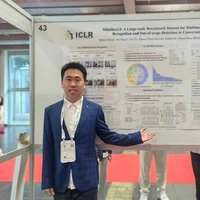
MIntRec2.0: A Large-scale Benchmark Dataset for Multimodal Intent Recognition and Out-of-scope Detection in Conversations

Multimodal intent recognition poses significant challenges, requiring the incorporation of non-verbal modalities from real-world contexts to enhance the comprehension of human intentions. Existing benchmark datasets are limited in scale and suffer from difficulties in handling out-of-scope samples that arise in multi-turn conversational interactions. We introduce MIntRec2.0, a large-scale benchmark dataset for multimodal intent recognition in multi-party conversations. It contains 1,245 dialogues with 15,040 samples, each annotated within a new intent taxonomy of 30 fine-grained classes. Besides 9,304 in-scope samples, it also includes 5,736 out-of-scope samples appearing in multi-turn contexts, which naturally occur in real-world scenarios. Furthermore, we provide comprehensive information on the speakers in each utterance, enriching its utility for multi-party conversational research. We establish a general framework supporting the organization of single-turn and multi-turn dialogue data, modality feature extraction, multimodal fusion, as well as in-scope classification and out-of-scope detection. Evaluation benchmarks are built using classic multimodal fusion methods, ChatGPT, and human evaluators. While existing methods incorporating nonverbal information yield improvements, effectively leveraging context information and detecting out-of-scope samples remains a substantial challenge. Notably, large language models exhibit a significant performance gap compared to humans, highlighting the limitations of machine learning methods in the cognitive intent understanding task. We believe that MIntRec2.0 will serve as a valuable resource, providing a pioneering foundation for research in human-machine conversational interactions, and significantly facilitating related applications. The full dataset and codes are available at https://github.com/thuiar/MIntRec2.0.

  • 9 authors
·
Mar 16, 2024

MMMT-IF: A Challenging Multimodal Multi-Turn Instruction Following Benchmark

Evaluating instruction following capabilities for multimodal, multi-turn dialogue is challenging. With potentially multiple instructions in the input model context, the task is time-consuming for human raters and we show LLM based judges are biased towards answers from the same model. We propose MMMT-IF, an image based multi-turn Q&A evaluation set with added global instructions between questions, constraining the answer format. This challenges models to retrieve instructions dispersed across long dialogues and reason under instruction constraints. All instructions are objectively verifiable through code execution. We introduce the Programmatic Instruction Following (PIF) metric to measure the fraction of the instructions that are correctly followed while performing a reasoning task. The PIF-N-K set of metrics further evaluates robustness by measuring the fraction of samples in a corpus where, for each sample, at least K out of N generated model responses achieve a PIF score of one. The PIF metric aligns with human instruction following ratings, showing 60 percent correlation. Experiments show Gemini 1.5 Pro, GPT-4o, and Claude 3.5 Sonnet, have a PIF metric that drops from 0.81 on average at turn 1 across the models, to 0.64 at turn 20. Across all turns, when each response is repeated 4 times (PIF-4-4), GPT-4o and Gemini successfully follow all instructions only 11% of the time. When all the instructions are also appended to the end of the model input context, the PIF metric improves by 22.3 points on average, showing that the challenge with the task lies not only in following the instructions, but also in retrieving the instructions spread out in the model context. We plan to open source the MMMT-IF dataset and metric computation code.

  • 5 authors
·
Sep 26, 2024

Modeling Multiple Support Strategies within a Single Turn for Emotional Support Conversations

Emotional Support Conversation (ESC) aims to assist individuals experiencing distress by generating empathetic and supportive dialogue. While prior work typically assumes that each supporter turn corresponds to a single strategy, real-world supportive communication often involves multiple strategies within a single utterance. In this paper, we revisit the ESC task by formulating it as multi-strategy utterance generation, where each utterance may contain one or more strategy-response pairs. We propose two generation methods: All-in-One, which predicts all strategy-response pairs in a single decoding step, and One-by-One, which iteratively generates strategy-response pairs until completion. Both methods are further enhanced with cognitive reasoning guided by reinforcement learning to improve strategy selection and response composition. We evaluate our models on the ESConv dataset under both utterance-level and dialogue-level settings. Experimental results show that our methods effectively model multi-strategy utterances and lead to improved supportive quality and dialogue success. To our knowledge, this work provides the first systematic empirical evidence that allowing multiple support strategies within a single utterance is both feasible and beneficial for emotional support conversations. All code and data will be publicly available at https://github.com/aliyun/qwen-dianjin.

DianJin Qwen DianJin
·
Apr 19 2

WavBench: Benchmarking Reasoning, Colloquialism, and Paralinguistics for End-to-End Spoken Dialogue Models

With the rapid integration of advanced reasoning capabilities into spoken dialogue models, the field urgently demands benchmarks that transcend simple interactions to address real-world complexity. However, current evaluations predominantly adhere to text-generation standards, overlooking the unique audio-centric characteristics of paralinguistics and colloquialisms, alongside the cognitive depth required by modern agents. To bridge this gap, we introduce WavBench, a comprehensive benchmark designed to evaluate realistic conversational abilities where prior works fall short. Uniquely, WavBench establishes a tripartite framework: 1) Pro subset, designed to rigorously challenge reasoning-enhanced models with significantly increased difficulty; 2) Basic subset, defining a novel standard for spoken colloquialism that prioritizes "listenability" through natural vocabulary, linguistic fluency, and interactive rapport, rather than rigid written accuracy; and 3) Acoustic subset, covering explicit understanding, generation, and implicit dialogue to rigorously evaluate comprehensive paralinguistic capabilities within authentic real-world scenarios. Through evaluating five state-of-the-art models, WavBench offers critical insights into the intersection of complex problem-solving, colloquial delivery, and paralinguistic fidelity, guiding the evolution of robust spoken dialogue models. The benchmark dataset and evaluation toolkit are available at https://naruto-2024.github.io/wavbench.github.io/.

  • 9 authors
·
Feb 12

Voice Evaluation of Reasoning Ability: Diagnosing the Modality-Induced Performance Gap

We present Voice Evaluation of Reasoning Ability (VERA), a benchmark for evaluating reasoning ability in voice-interactive systems under real-time conversational constraints. VERA comprises 2,931 voice-native episodes derived from established text benchmarks and organized into five tracks (Math, Web, Science, Long-Context, Factual). Each item is adapted for speech interaction while preserving reasoning difficulty. VERA enables direct text-voice comparison within model families and supports analysis of how architectural choices affect reliability. We assess 12 contemporary voice systems alongside strong text baselines and observe large, consistent modality gaps: on competition mathematics a leading text model attains 74.8% accuracy while its voice counterpart reaches 6.1%; macro-averaged across tracks the best text models achieve 54.0% versus 11.3% for voice. Latency-accuracy analyses reveal a low-latency plateau, where fast voice systems cluster around ~10% accuracy, while approaching text performance requires sacrificing real-time interaction. Diagnostic experiments indicate that common mitigations are insufficient. Increasing "thinking time" yields negligible gains; a decoupled cascade that separates reasoning from narration improves accuracy but still falls well short of text and introduces characteristic grounding/consistency errors. Failure analyses further show distinct error signatures across native streaming, end-to-end, and cascade designs. VERA provides a reproducible testbed and targeted diagnostics for architectures that decouple thinking from speaking, offering a principled way to measure progress toward real-time voice assistants that are both fluent and reliably reasoned.

adobe Adobe
·
Sep 30, 2025 2